
News Libya: Libya discusses economic cooperation with Expertise France
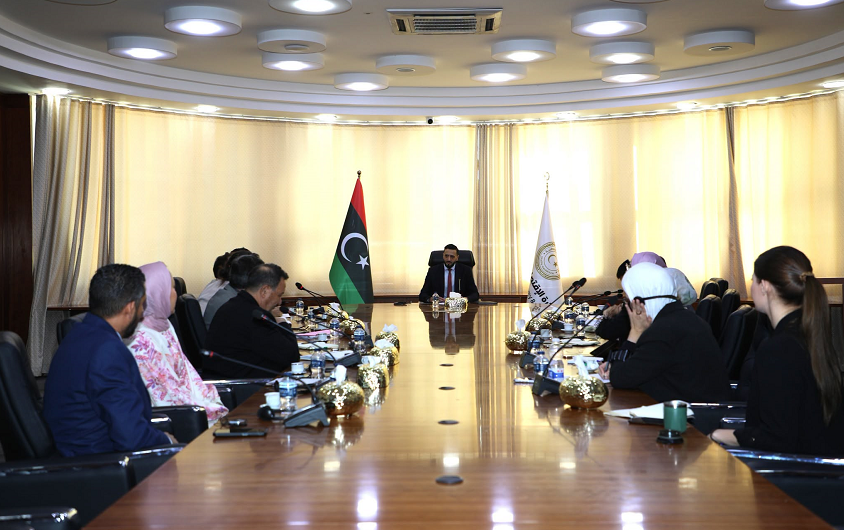
Economy and Trade Minister Souhail Abu Sheiha has discussed economic development, investment and private sector support with Séverine Peters, Expertise France’s regional director for Libya and Tunisia. The meeting reviewed ongoing programmes, including EU4Skills and INVEST4Libya, and progress made under the projects. The two sides also discussed arrangements for the next steering committee meeting and further cooperation to improve the investment climate and diversify Libya’s economy.
News Libya: Why Libya’s Next Oil Pipeline Could Be a Geopolitical Game-Changer

The proposed Libya–Egypt crude oil pipeline has, surprisingly quickly, entered a phase in which Cairo and Tripoli are actively discussing it. The pipeline, expected to be 800 kilometers long, will ...
News Libya: Libya’s National Oil Company Reports Three New Oil and Gas Discoveries

Libya's National Oil Corporation has announced a trio of new hydrocarbon discoveries with Eni, Repsol, and Sonatrach, in a sign that exploration activity is gaining traction again across some of the ...
News Libya: Syria, Libya explore prospects for expanding cooperation in energy and agriculture
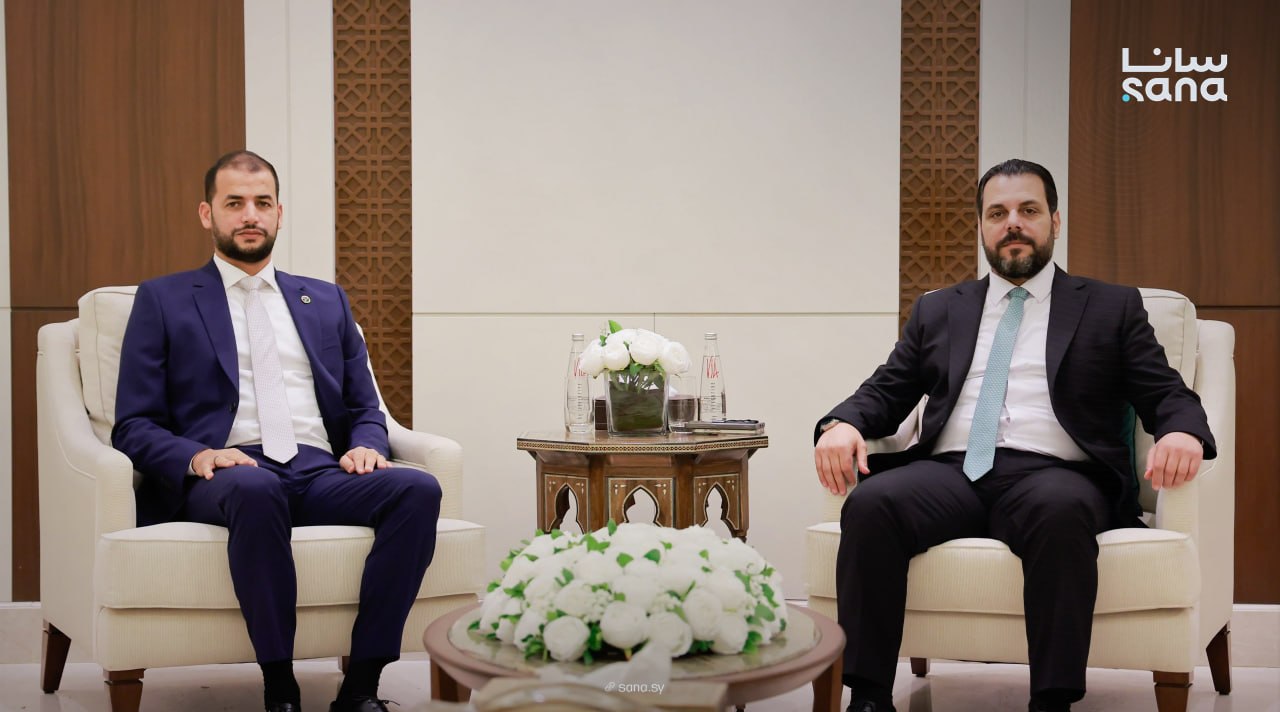
Damascus, Oct. 6 (SANA) Adviser for Arab Affairs at the Ministry of Foreign Affairs and Expatriates Mohammad Taha al-Ahmad held talks with Chargé d’Affaires
News Libya: How Libya’s Small Businesses and Trade Networks Are Sustaining Stability
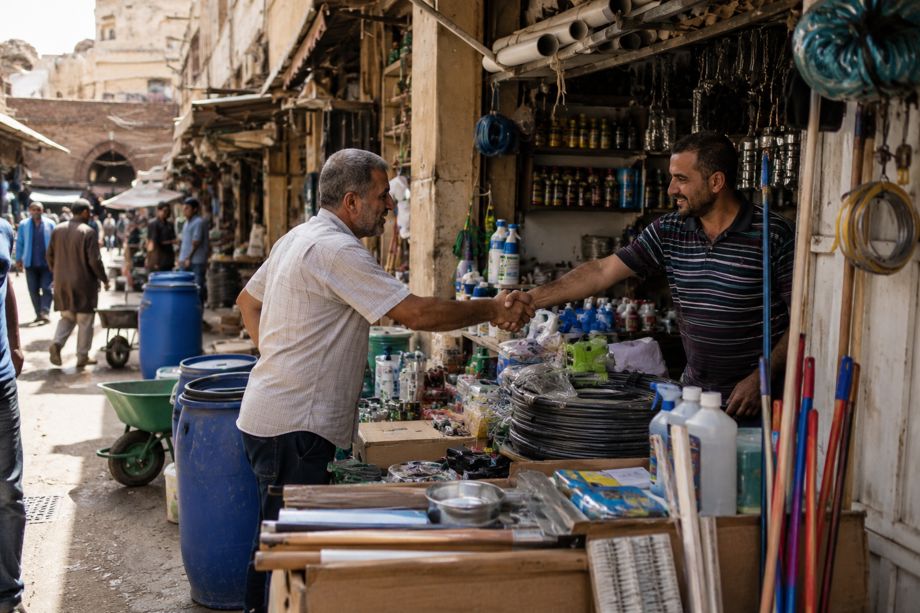
A new African Development Bank report says Libya’s private sector, especially small businesses and informal trade networks, has become a key force sustaining livelihoods and stability after years of conflict. The study highlights renewable energy, agriculture, and fisheries as major sectors that could drive economic recovery, job creation, and peacebuilding across the country.
News Libya: Libya Bans Exports Of Agricultural Products, Locally Produced Food Items
Libya's Minister of Economy and Trade Suhail Abu Shiha on Sunday issued a decision to regulate and control export operations, imposing a series of restrictions on the export and re-export of goods and ...
News Libya: Fresh produce imports stagnate in Libya
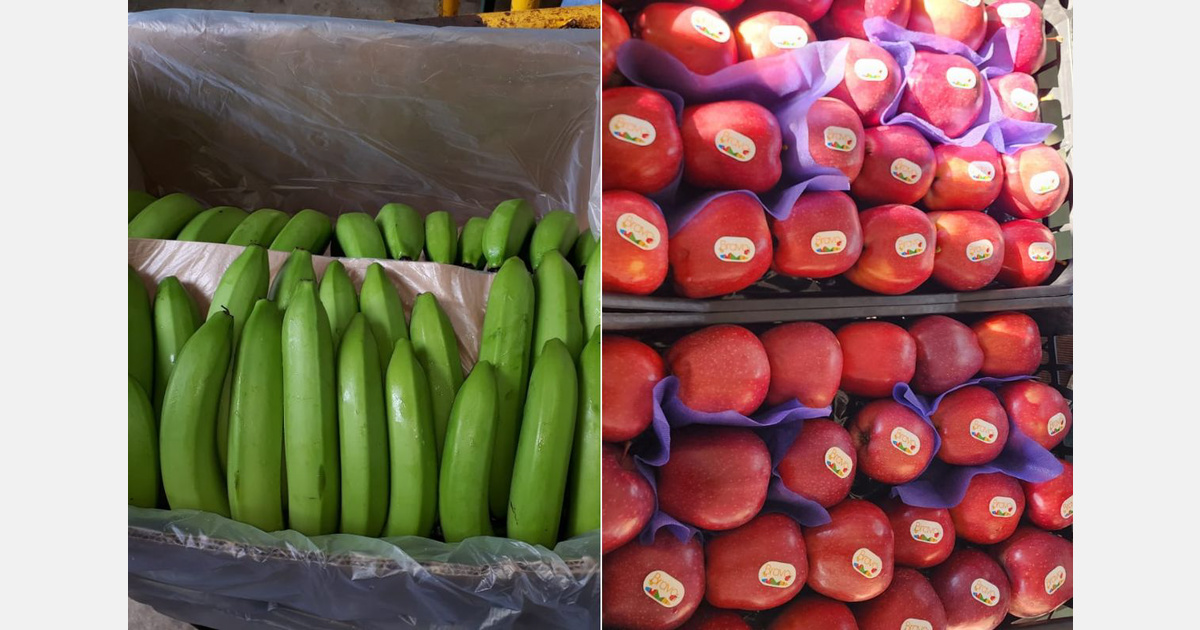
Historically, Libya is not known as an exporter of fruit products, with the exception of dates. "Domestic production of fruit and vegetables is limited in volume, and there is no surplus available for ...
News Libya: Libya imports over €200M of dairy from Europe alone each year — local manufacturers are building the supply chains to close the gap

Libya imports over €200M of dairy from Europe alone each year — local manufacturers are building the supply chains to close the gap. How quality, investment and supply chain integration are unlocking the potential of Libya’s food manufacturing sector Misrata, September 2026: Investment in Libya’s dairy value cha
News Libya: Libya’s powerful central bank governor is fired as country's deep divisions persist
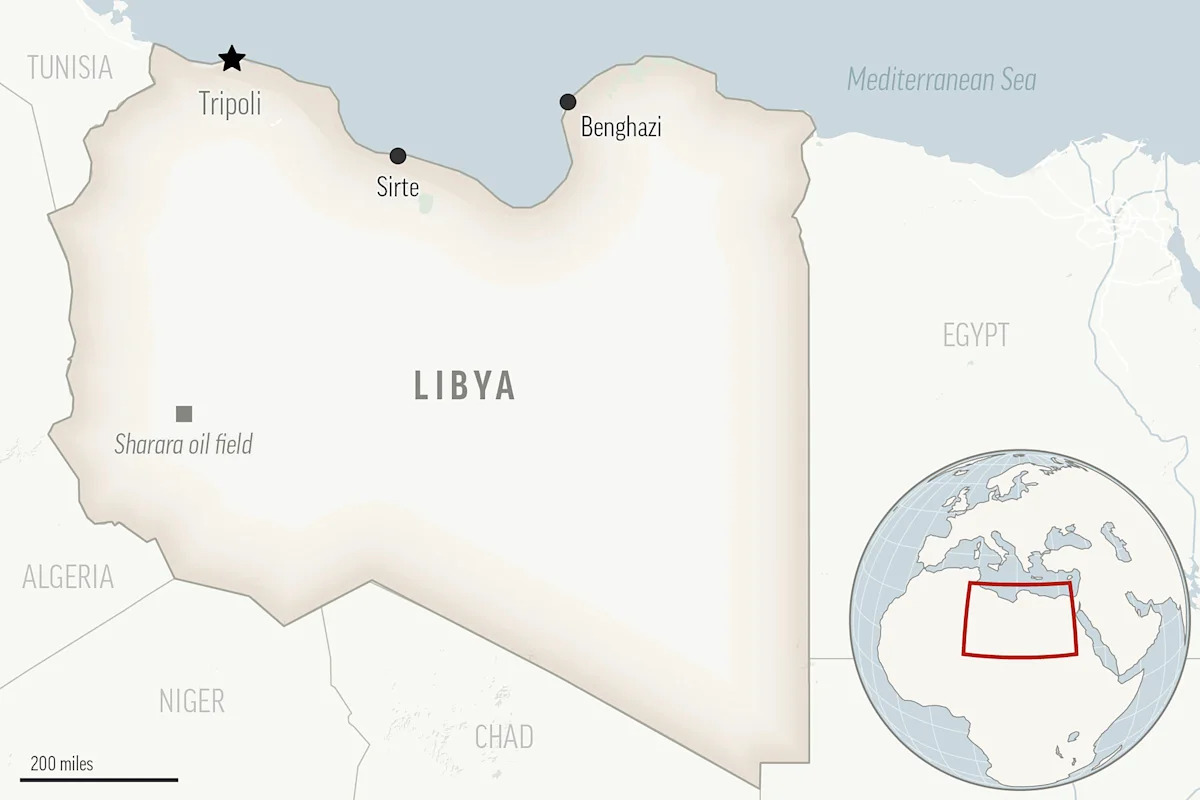
One of Libya's dueling authorities unilaterally fired the country's powerful central bank governor in an abrupt move that is likely to inflame tensions in the divided North African country. The presidential council in the capital of Tripoli, which is allied with the government of Prime Minister Abdul Hamid Dbeibah that controls western Libya, removed Gov. Sadiq al-Kabir, according to a decree issued late Sunday. In his place, the council appointed Mohamed Abdul Salam al-Shukri, an economist and former deputy governor, as the new governor for the Central Bank of Libya.
News Libya: Libya moves to strengthen private sector role in post-conflict recovery

Libya's economic recovery is progressing, underpinned by rising oil prices and production as well as gradual internal political stabilisation. The evolving role of the private sector in reconstruction and economic diversification is the focus of Oxford Business Group's latest Global Platform video, produced in partnership with Alsahl Group Holding, a leading Libyan investment conglomerate.
News Libya: Libya minister to protect investment in Zamtel

Libya will do all it can to protect its 75 percent stake in Zamtel, the fixed-line telecoms firm in Zambia, whose government announced plans last week to seize Libya's stake in the firm, Libyan
News Libya: Chinese Company explores investment opportunities in Libya’s construction sector
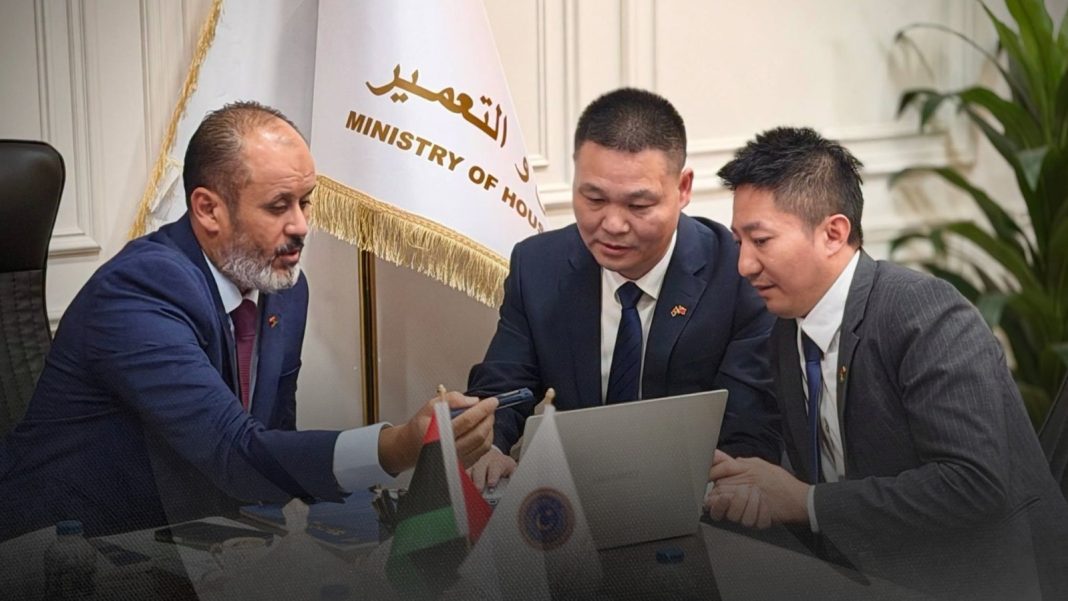
Housing and Construction Minister Essam Al-Tamouni discussed investment opportunities in Libya’s construction, real estate, and infrastructure sectors with a delegation from China’s Sichuan Huayuan Construction Engineering Company.
News Libya: New study sheds light on illicit financial flows in Libya
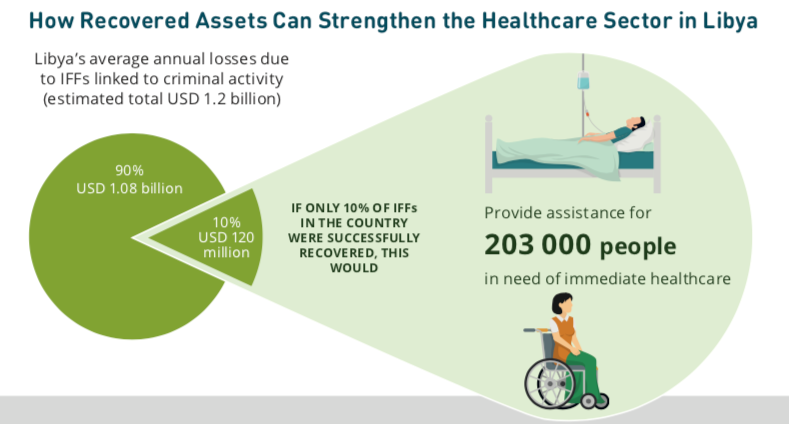
The United Nations Interregional Crime and Justice Research Institute (UNICRI) presents an EU-funded study on the impact of illicit financial flows on Libya’s economic and social development. Illicit ...
News Libya: Libya Central Bank Governor reviews enhanced monetary cooperation and financial stability in London
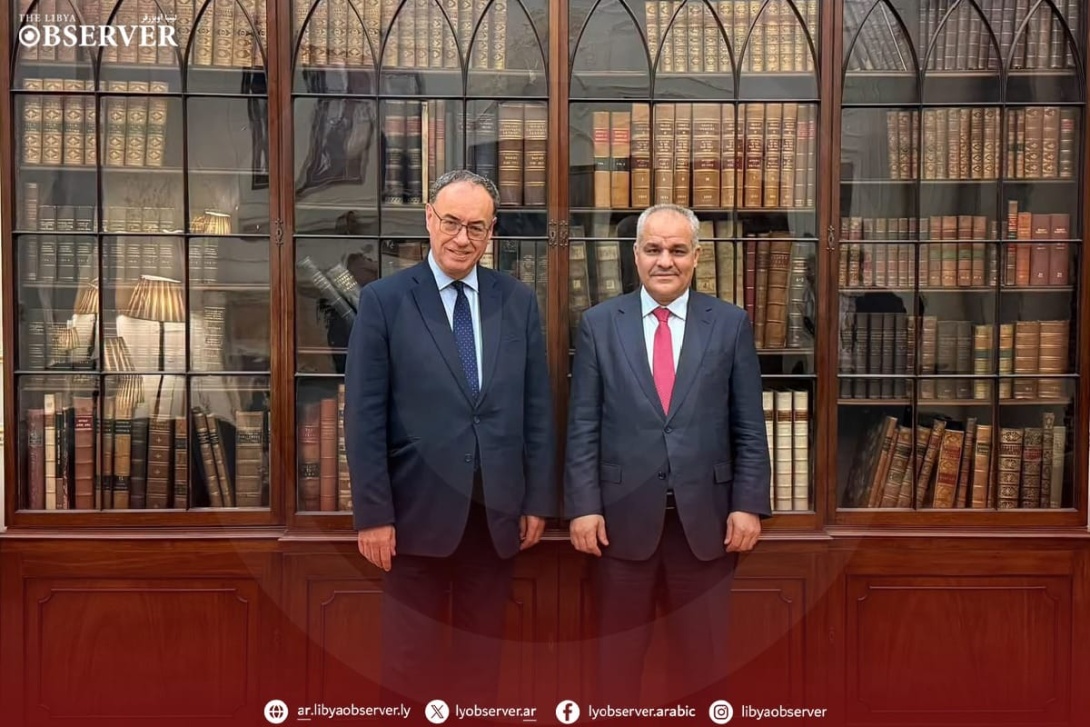
Central Bank of Libya's (CBL) Governor Naji Issa met with Bank of England Governor Andrew Bailey in London on Wednesday to discuss ways to strengthen cooperation in banking, monetary policy and financial stability, as well as economic and financial developments and reform efforts in Libya.
News Libya: How to buy ethereum — and what to know before you do

Ether, the native cryptocurrency used on the ethereum platform, remains significantly more volatile than the S&P 500 for many investors. But it's no longer a moonshot — it's a foundational piece of a ...
News Libya: Libyan researchers work to restore Roman forts in Benghazi
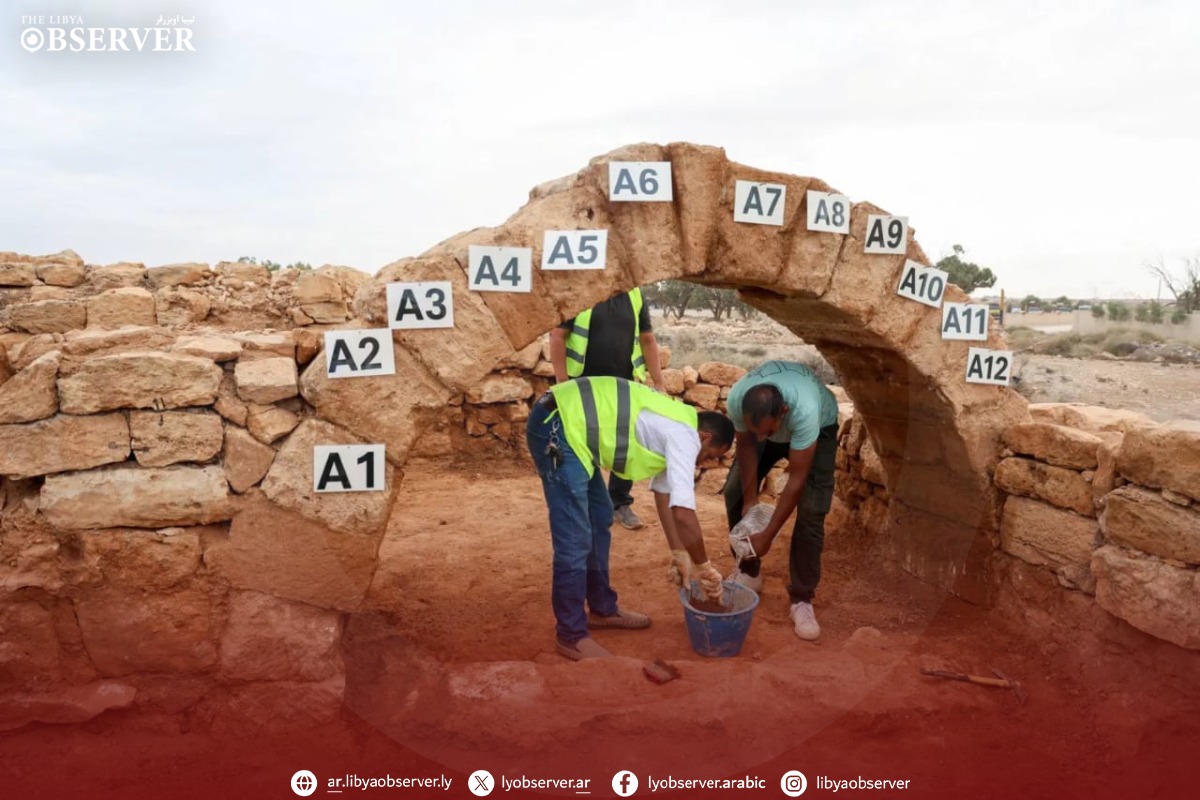
A team of Libyan researchers and heritage experts is working to preserve the Qusur al-Ghlitha archaeological site in the Tika area, about 15km west of Benghazi, amid limited financial and logistical support for restoration work. The site contains forts and defensive structures believed to date to the second century AD, when they formed part of the defences of the ancient city of Berenice and surrounding areas.
News Libya: Libya Pays Off Pan Am 103 Terror Debt

Libya has sought donations from private businesses to help cover its share of the fund. The Bush administration has vowed that no American taxpayer money will be used for the U.S. portion but has not ...
News Libya: Arab Conference on Savings kicks off in Tripoli
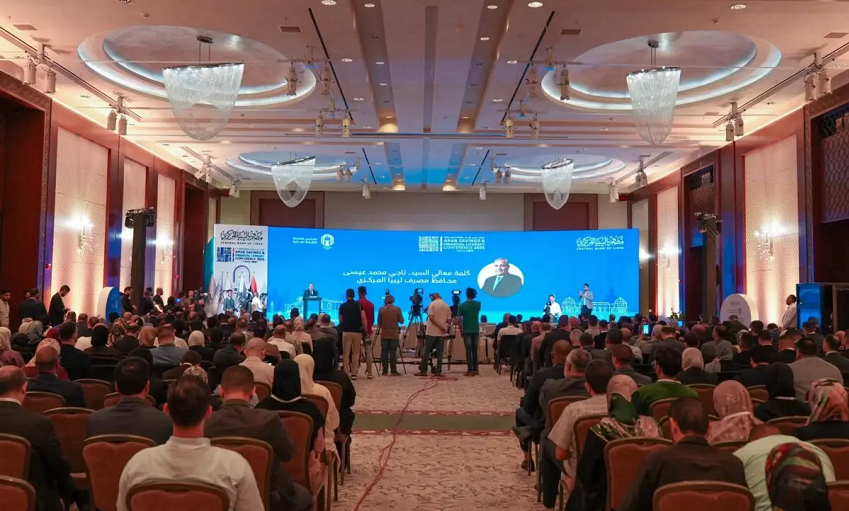
The fifth edition of the Arab Conference on Savings and Financial Literacy for the year 2026 kicked off on Monday, organized by the Central Bank of Libya under the theme "Financial Intelligence in an Age of Volatility." According to the Libyan News Agency, the regional event features participation from experts, decision-makers, financial institutions, central banks, and researchers from across the Arab world to promote financial literacy and foster awareness of saving and investment.

